
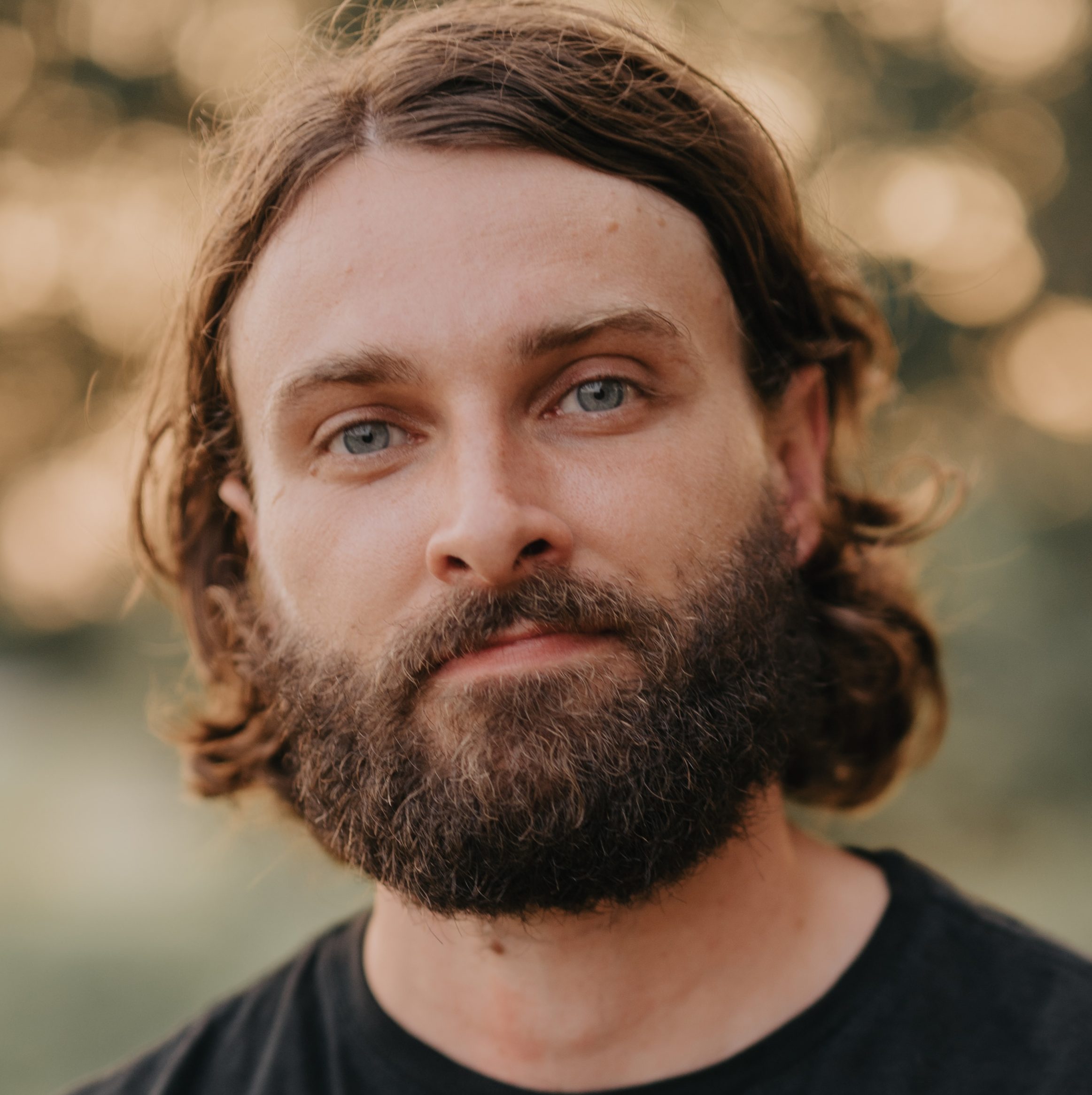

ASHLAND — During a torrential downpour in Ashland, Dave Kirk’s basement floods.
He’s noticed the floods since 2011, because they kept getting worse with each passing year. The most water he’s ever had measured three feet, he said.
He and his neighbors are not surprised — they live over Town Run along West Main Street, which is designated as a floodplain. The creek runs behind Kirk’s house, where he and his wife have lived since 1991.
“I’ve sort of just gotten used to it,” he said, adding that since 2011 his basement has seen water pour in around eight times.
In 2018, he built up a retaining wall. It measures nine feet high. Since then, the flooding has slowed.
But flooding is not the only issue in the 400 block of West Main Street. Town Creek meanders its way under the street and through Kirk’s backyard through a bridge built over 100 years ago. The underground bridge is similar in age and architecture to the recently replaced Claremont Avenue bridge.
The bridge is old and in disrepair, said Shane Kremser, the city’s engineer. In July 2019, Columbia Gas did some repair to utility lines in the 400 block of West Main Street. During construction, Kremser said, the company ripped up an old I-beam that belongs to the bridge underneath.
Columbia Gas eventually fixed the mistake, but Kremser said the blunder underscores the issue: How do you replace a century-old bridge that runs underneath private property?
There is a plan, said Ed Meixner, the county’s engineer. It involves taking out the old bridge and installing a new one — in the public right-of-way. The project has been estimated to cost $936,000 and Meixner has applied for a $500,000 grant from the Ohio Public Works Commission.
The longer-term solution, however, might include tearing down houses like Kirk’s and his neighbors.’ It is a solution that would cost additional money and potentially complicate things as it involves purchasing houses before tearing them down.
Ashland County Commissioner Denny Bittle, during a land bank meeting on Oct. 21, proposed the land bank consider buying three or four properties in that immediate area.
“I’m just putting it out there to see if there’s any interest,” he said.
The land bank has not made any final decisions.
Ashland Mayor Matt Miller, who also serves as president of the land bank, said at least one property owner who is not Kirk has expressed interest in selling their house. That property owner declined to comment.
Kirk, who is 70 and retired, said he would be willing to sell — if the price is right. He expressed concern with being able to find a place to live in a market where homes of similar size in Ashland are selling for more than what he paid for his house.
But those decisions likely won’t need to be made for a little while. Kremser said construction on a new bridge wouldn’t start until summer of 2023, at the earliest. And that’s only if the grant money is awarded, he said.
A tale of two governments
The Ashland County Board of Commissioners and the city of Ashland are required by state law to team up when it comes to rebuilding the old underground bridge on West Main Street.
The reason, explained Bittle, is because the road is an extension of a county road that runs through the city.
When he brought up the idea of buying up to four houses in the affected area, Bittle said the cleared space could provide an avenue for extending the Center Run Trail to Brookside Park.
The Center Run Trail Project involves connecting Corner Park and Bicentennial Park along Town Run with a sidewalk.
Though he appreciated Bittle’s vision, Miller was quick to emphasize the commissioner’s idea was preliminary.
“It is important that everyone know that there is no immediate plan to extend Center Run Trail behind all the homes from Broad Street to Brookside Park,” he said, adding the project would be a challenge.
“That would require the acquisition of real estate from all those property owners,” he said. “So just know that that is not an immediate plan. We don’t have a plan.”
Acquiring real estate would also cost more money — an unknown sum on top of the $936,000 bridge replacement.
And so the question becomes: should the governments only focus on replacing the bridge, thus allowing the homeowners to stay for a little while longer? Or should the governments tackle the long-term solution?
To Kremser, the answer is clear.
“Nobody is going to fix that culvert, privately. That never happens, at least in my experience.
“Nature is going to win. It has unlimited time, essentially — just look at the Grand Canyon,” he said, reiterating the long-term strategy.
“A long-range plan is to actually work to get those properties to remove the encroachment and to limit flooding impacts. But that would require acquiring houses,” Kremser said.
Meixner said the underground bridge is the priority — a project that can be done without demolishing homes.
“You have three separate structures down there. The $936,000 … that money only addresses the bridge structure under West Main Street, with the right-of-way. It does not include the culverts on either side. Those culverts are adjacent to and very close to the houses that are there. They are not in a condition where they have to be replaced,” Meixner said.
As those involved work out the answer, nature will continue to do what it does best: exist.
